Airbnb in the Era of Sustainability: Is New York City Ready for Eco-Friendly Short-Term Rentals?
Is NYC ready for Eco-Friendly Short-term Rentals?
When searching for a furnished apartment to rent in New York City, a wide range of considerations typically come to mind. These can include the price, location, available amenities, and the terms and conditions of the lease. Whether you're staying for business, leisure, or a longer-term commitment, it’s important to ensure the apartment suits your specific needs and lifestyle. However, a question that many overlook when searching for a furnished apartment is whether it is eco-friendly. Although this might seem like a secondary concern for most renters, it’s actually an important aspect that can have significant environmental and economic implications.
Eco-friendly living in New York City is becoming more than just a trend—it’s a practical and responsible choice. While many tenants might not initially prioritize sustainability when selecting an apartment, the truth is that both renters and landlords can benefit from an environmentally sustainable furnished apartment. For landlords, adopting green practices can result in cost savings, energy efficiency, and long-term profitability, while for tenants, living in an eco-friendly space can lead to a healthier and more comfortable environment. In this article, we will explore the various ways landlords can make their furnished apartments in NYC more environmentally sustainable and why it’s beneficial for both parties.
Water Conservation
One of the most effective ways to make a furnished apartment in NYC more environmentally sustainable is to focus on water conservation. New York City has a notoriously high water consumption rate, but as a tenant or landlord, there are numerous ways to reduce water usage without sacrificing comfort. Installing water-saving fixtures and appliances is one of the most practical and cost-effective changes. Low-flow faucets and showerheads are a simple yet efficient way to reduce water consumption. These fixtures limit the flow of water without affecting pressure, making it easy for tenants to conserve water during their daily routines. By making this small investment, landlords can help renters save money on water bills while contributing to the city's water conservation efforts.
Additionally, landlords can also install water-efficient toilets, which use significantly less water per flush compared to traditional models. Not only does this decrease the environmental impact of the apartment, but it also offers tenants the advantage of reduced water utility bills, which is often an attractive selling point.
Energy Efficiency
Another major factor to consider when upgrading a furnished apartment for sustainability is energy efficiency. One of the first and easiest steps to take is replacing incandescent light bulbs with energy-efficient LED bulbs. LED lights use up to 80% less energy than their incandescent counterparts, and they last significantly longer, making them a wise investment for both landlords and tenants. This simple switch reduces electricity consumption, lowers utility costs, and decreases the carbon footprint of the apartment.
For added efficiency, landlords can implement motion sensors in common areas like hallways or bathrooms. Motion sensors automatically turn lights off when they’re not in use, preventing energy waste and ensuring that tenants don’t forget to turn off lights when they leave. This small change can lead to substantial long-term savings and make the apartment more eco-friendly without requiring significant effort on the tenant’s part.
Smart Appliances and Technology
When it comes to appliances, older models tend to consume more energy and are less efficient than newer ones. As technology has advanced, energy-efficient appliances have become more accessible and cost-effective, making them a smart upgrade for any furnished apartment. Landlords should consider replacing outdated appliances, such as stoves, refrigerators, and washing machines, with modern, energy-efficient versions. These appliances not only reduce electricity usage but also improve the overall living experience for tenants.
One of the most impactful upgrades for an eco-friendly apartment is the integration of smart technology. Smart appliances and devices, such as smart thermostats, smart lighting systems, and energy management tools, allow tenants to control energy usage more effectively. For instance, a smart thermostat can automatically adjust the temperature based on the tenant’s schedule, preventing energy waste when the apartment is unoccupied. Similarly, smart home sockets and light management systems can ensure that electronics and lights are turned off when they’re not in use, further reducing energy consumption.
Sustainable Furnishings and Solar Power
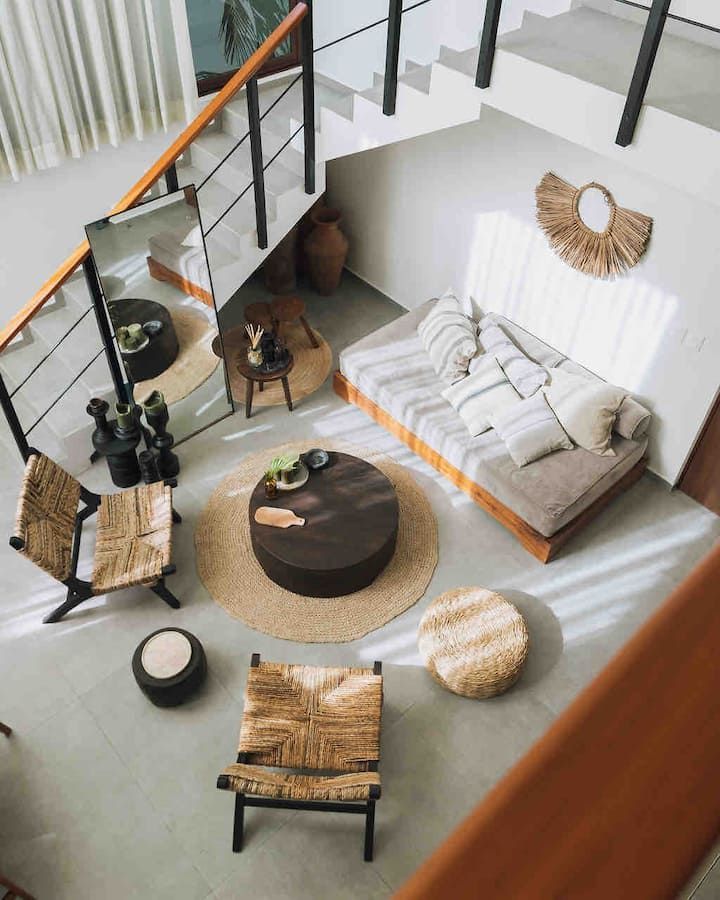
Furnishing a furnished apartment with sustainable materials can also contribute to its overall environmental friendliness. Using furniture made from reclaimed or recycled materials is a great way to reduce waste and minimize the carbon footprint of the apartment’s interior. Sustainable furniture options are increasingly available, with many designers and manufacturers offering pieces made from responsibly sourced wood, recycled materials, and low-impact production processes.
Another important aspect of an eco-friendly furnished apartment is the integration of solar panels. Installing solar panels on the building or apartment’s roof is a great way to generate clean, renewable energy and reduce reliance on fossil fuels. While the upfront cost of solar panel installation can be significant, the long-term savings on energy bills can make it a worthwhile investment. Additionally, for landlords looking to market their property, having solar panels can be an attractive selling point for tenants who value sustainability.
The Benefits for Landlords and Tenants
The growing demand for eco-friendly living spaces is one of the key reasons furnished apartments have seen a surge in popularity in recent years. As more people become aware of environmental issues and seek sustainable living options, eco-conscious landlords are increasingly meeting this demand by offering apartments that align with these values. For tenants, living in an environmentally sustainable apartment means not only reducing their carbon footprint but also enjoying the benefits of lower utility costs and a healthier living environment.
From the perspective of a landlord, investing in eco-friendly upgrades can lead to higher property values, improved tenant retention, and potentially even higher rental prices. Tenants who value sustainability are more likely to stay in a well-maintained, eco-conscious apartment for a longer period, reducing turnover costs for landlords. Additionally, making environmentally sustainable improvements to an apartment can help a landlord stand out in a competitive rental market, especially in a city like New York, where demand for rental properties is high.
Conclusion
In conclusion, the importance of eco-friendly living spaces in New York City is becoming increasingly clear. For both tenants and landlords, investing in sustainability can lead to numerous benefits, including reduced utility costs, increased property value, and a smaller environmental impact. Simple changes like installing water-saving fixtures, upgrading to energy-efficient appliances, and incorporating smart technology can make a significant difference in the overall eco-friendliness of a furnished apartment. As the demand for sustainable living spaces continues to rise, landlords who prioritize eco-friendly practices will not only contribute to a greener future but also enhance the appeal of their rental properties to a growing market of environmentally conscious renters.